



Key Street
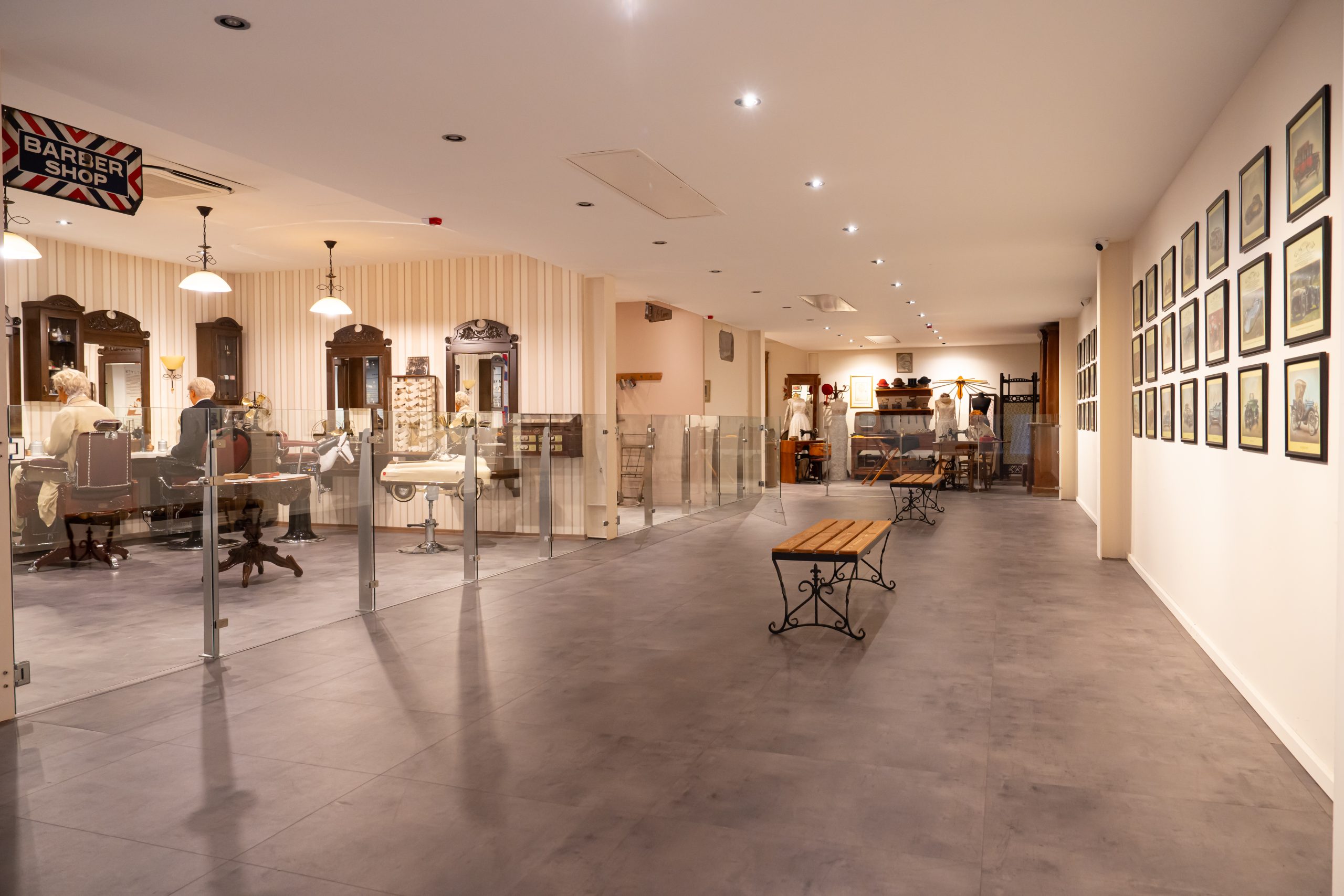
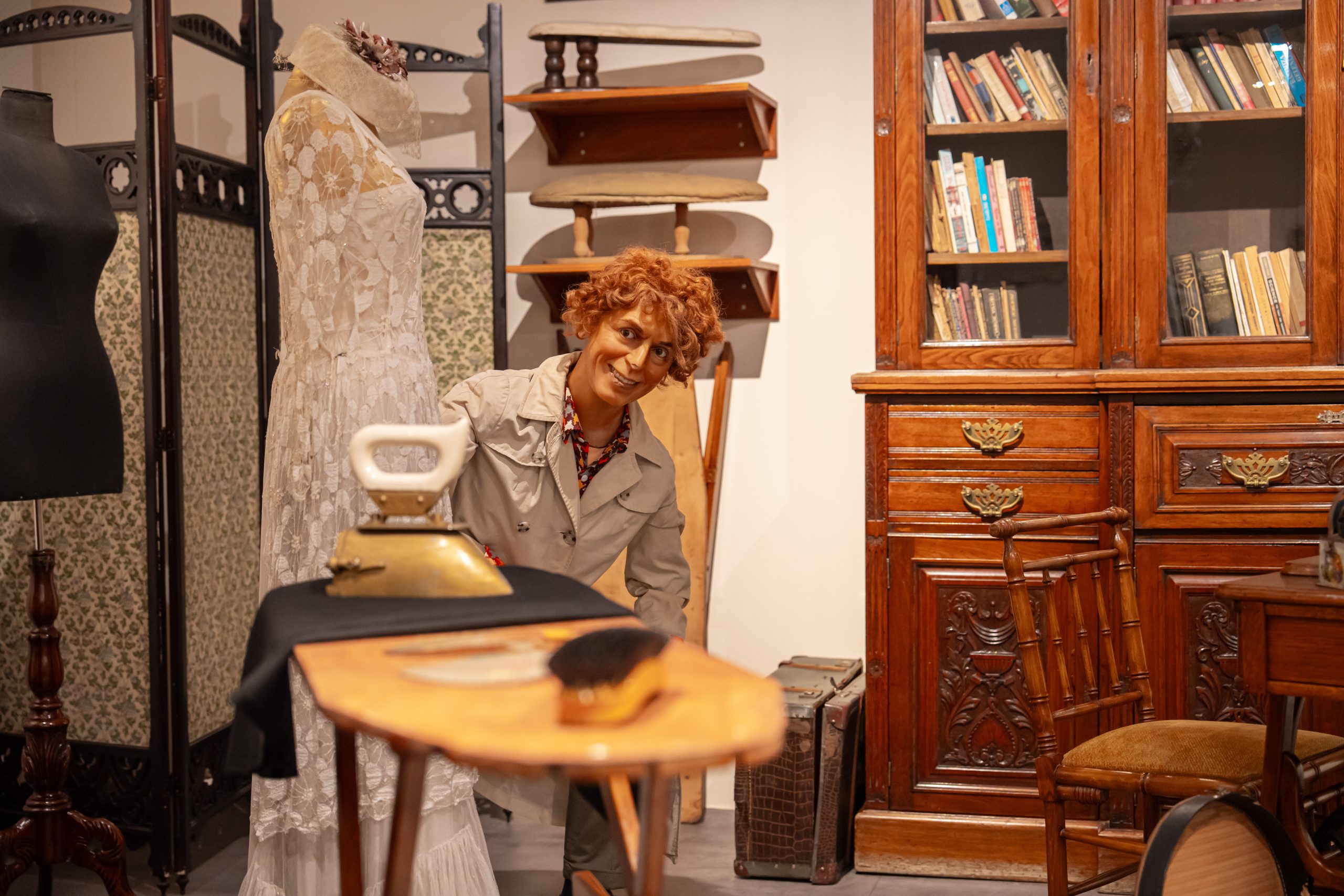
The Key Street exhibition hall is designed in a street concept and features pieces from a barber shop, a shoe-shop, a carpentry shop and a tailor's shop placed in a house furnished with items from the period, aiming to reflect the atmosphere of the 1940s-1960s. Each piece has been carefully assembled from various auctions and collectors in Turkey as well as in the United States and Europe.
In addition to the barbershop, which was considered as a social space for the people of the period, which housed more than just haircuts and beard shaving, the lostra salon where shoes were renewed, the tailor shop where tailor-made dresses were made and created by using a part of the house, and the carpentry workshop where wood was skillfully processed and transformed into various furniture reflect the spirit of the period. The transition to industrial production with the impact of the Industrial Revolution has caused such professions to change drastically over time. Key Street is a window to the past by hosting a special collection of history and craftsmanship, which allows you to examine the handicraft-oriented professions and lifestyles of the past. The "Walk", "Don't Walk" sign on Key Street was introduced in December 1952 after T.T. Wiley, a traffic police officer, announced that experiments with a pedestrian control system would enter a new phase. The sign, which first appeared at Broadway and 34th Street, was the first example of an application with different signal colors other than red and green, and led to the development of today's pedestrian lights.
Date:
February 16, 2024